Table of Contents
ToggleWhether your kitchen faucet is leaking, a door won’t close, or baseboards are crying out for a fresh coat of paint, finding reliable handyman services in Dallas doesn’t have to be stressful. A good handyman can tackle those mid-size projects that fall between simple DIY and full-scale renovation, saving you time, frustration, and money. This guide walks you through what handymen actually do, how to find trustworthy professionals in the Dallas area, what you should expect to pay, and the red flags to watch for before you hand over your keys and a deposit.
Key Takeaways
- Handyman services in Dallas cover repairs like kitchen faucet fixes, drywall patching, painting, shelving installation, and gutter cleaning—but shouldn’t handle jobs requiring permits, electrical circuits, or structural work.
- Dallas handymen typically charge $50–$100+ per hour; get written estimates from 3–5 candidates and always request on-site inspections rather than phone quotes.
- Always verify a handyman’s business license, liability insurance, and references before hiring, and watch for red flags like cash-only payments, phone estimates, or evasiveness about credentials.
- Ask essential questions upfront about permits, timelines, warranties, insurance coverage, material sourcing, and payment terms to protect yourself and set clear expectations.
- Trust your instincts—select a reliable professional you’re comfortable with rather than the cheapest option, and don’t hire anyone who avoids site visits, dismisses your concerns, or pressures upfront full payment.
What Handyman Services Include and When You Need Them
Common Repairs Handymen Handle
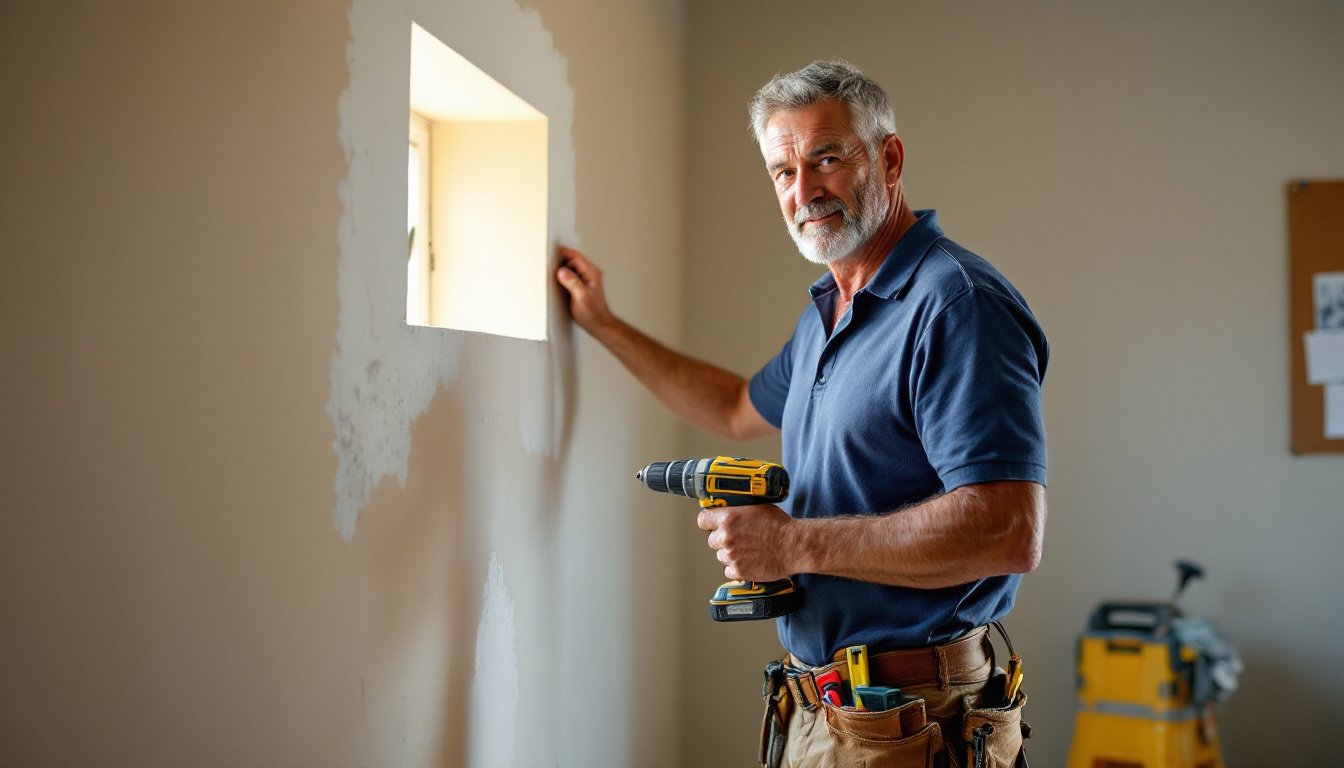
Handymen are generalists, they’re skilled in a broad range of repairs and light installation work. Common jobs include hanging drywall patches, filling nail holes, caulking gaps, and repainting walls or trim. They install shelving, cabinets, door hardware, and light fixtures (often without rewiring). Interior carpentry work like building bookshelves, repairing loose floorboards, or trimming out doorways falls squarely in their wheelhouse.
Outside, handymen patch fence sections, repair decking, caulk siding, and handle gutter cleaning. They can install deck boards, replace weatherstripping, and touch up exterior paint. Many also do basic plumbing work, fixing leaky faucets, replacing washers, unclogging drains, and light electrical tasks like replacing outlets, switches, or light fixtures (though not running new circuits or rewiring). Doors, locks, weather sealing, and minor structural repairs (loose trim, squeaky hinges, cracked window glass) are routine.
The key distinction is scope: handymen excel at projects that don’t require a structural permit, extensive inspection, or specialized licensing. If you need new electrical circuits, a new HVAC system, or a load-bearing wall removed, you’ll need a licensed electrician, HVAC tech, or structural engineer.
Signs It’s Time to Call a Professional
You should hire a handyman when a repair falls outside your comfort zone or time budget. If you’ve tackled small jobs before but a project requires multiple trades (say, patching drywall and matching texture and painting), a handyman saves you the coordination headache. When you lack specific tools, a quality miter saw for angle cuts, a nail gun for trim, or scaffolding for high work, hiring someone with equipment on hand makes sense.
Also call a pro if the job involves codes or permits. Any electrical work on your home’s main panel, plumbing that ties into the sewer line, or structural repairs needs a licensed contractor and an inspection. Dallas building codes vary by neighborhood, and a handyman should know when to flag something requiring a permit. If they don’t mention permit requirements unprompted, that’s a yellow flag. Honest professionals upfront about what requires official approval.
How to Find and Vet Handyman Services in Dallas
Start with local referrals. Ask neighbors, friends, or your real estate agent who they’ve used, word-of-mouth is gold. Online, top-rated handymen in Dallas appear in customer review aggregators where you can see ratings, past project photos, and detailed feedback. Google Maps is another solid source: look for folks with consistent 4.5+ star ratings and plenty of recent reviews.
When you narrow your list to 3–5 candidates, request estimates. A legitimate handyman will visit your home, inspect the work, take photos, and provide a written quote. Red flag: anyone who estimates over the phone without seeing the job. Expect estimates to vary, some handymen have higher overhead, others undercut the market. A quote that’s suspiciously low or extraordinarily high warrants clarification.
Check credentials. In Texas, handymen don’t need a state license (unlike electricians or plumbers), but they should have a business license, proof of liability insurance, and workers’ comp if they employ people. Ask to see them. On cost estimation tools like HomeAdvisor, you can also cross-reference typical rates for your job type and region, this helps you spot outliers. Review past work: ask for references and actually call them, or look at photos of completed projects. A willingness to share both successes and lessons learned says a lot.
Cost Expectations and Pricing Models
Dallas handymen typically charge hourly rates between $50–$100+ per hour, depending on experience, complexity, and the specific trade. A simple job like hanging a shelf might run $75–$150. Fixing a leaky faucet, $100–$200. Drywall patching and painting a bedroom, $300–$800. Bigger projects, building a deck section, installing a ceiling fan, or custom shelving, can easily hit $1,000–$3,000 or more.
Some handymen offer flat-rate quotes for defined scopes. This protects both parties: the homeowner knows the cost upfront, and the handyman isn’t penalized for efficient work. Others charge hourly plus materials. Materials should be itemized separately so you know exactly what you’re paying for.
Before you commit, understand what’s included. Does the quote cover materials, labor, cleanup, and disposal of old fixtures? Does the handyman provide a timeline? What happens if the job runs longer than estimated? Get it in writing. According to renovation cost guides on ImproveNet, regional labor rates and material costs fluctuate, so always ask if your quote locks in pricing or adjusts based on supply costs. In Dallas’s competitive market, prices are generally reasonable, but always get multiple bids.
Questions to Ask Before Hiring a Handyman
Before hiring, ask these essential questions:
About the work: Can you break down the job into steps? Will this require a permit or inspection? Who pulls the permit if needed? What’s your timeline, and do you have backup dates if something delays the job? Can you guarantee the work or offer a warranty if something goes wrong?
About credentials and insurance: What’s your business license number? Do you carry liability insurance (coverage if you’re injured or damage your home)? Do you carry workers’ comp if you have employees? Can you provide references from jobs done in the last 6–12 months?
About materials: Will you source materials or should I buy them? If I buy materials, what happens if there’s waste or a mistake? Do you use the same brands and grades every time, or do you recommend options at different price points?
About payment: What’s your deposit policy? Do you accept checks, credit cards, or cash? When is the balance due, on completion or before you leave? Do you provide an invoice that itemizes labor and materials separately?
An experienced, professional handyman will answer all of these directly and without defensiveness. If someone gets evasive or annoyed, that’s a sign to move on.
Red Flags and How to Avoid Unreliable Services
Watch for handymen who pressure you to pay cash or upfront in full. A reasonable deposit (typically 25–50% for small jobs, less for larger ones) is normal, but the rest should be due on completion. A request for the entire fee before work starts is a setup for disputes.
Avoid anyone who can’t or won’t provide proof of insurance or a business license. In Texas, unlicensed handymen are legal, but they should still be insured and bonded. If they won’t share documentation, they’re cutting corners elsewhere.
Be wary of vague estimates or refusals to visit the site. A professional walks through the job, photographs problem areas, and asks clarifying questions. Phone estimates are almost always inaccurate. Also, a handyman who guarantees a price for unknown work is either under-bidding (and will cut quality) or planning to nickel-and-dime you later.
Skip anyone who won’t discuss your project in detail or dismisses your concerns. You’re hiring someone to work inside your home: they should listen, ask follow-up questions, and respect your goals. If they seem impatient or condescending, that’s a personality mismatch at best and a red flag for poor workmanship at worst.
Finally, trust your gut. If something feels off, inconsistent communication, no clear contract, vague references, move on. The Dallas market has plenty of reliable handymen. You don’t need the cheapest or the fastest: you need someone you trust with your home.