Table of Contents
ToggleMost homeowners face that familiar dilemma: the kitchen faucet leaks, the deck boards are rotting, or a door won’t close properly. Do you tackle it yourself and risk making it worse, or call a contractor and watch your budget disappear? Affordable handyman services sit right in the middle, someone skilled enough to handle the jobs that go beyond a hammer and nail, without the premium pricing of specialized contractors. In 2026, finding a trustworthy, cost-effective handyman is easier than ever if you know where to look and what to ask. This guide walks you through why hiring a handyman makes financial sense, which repairs they handle best, and how to find one who won’t empty your wallet or shortchange your home.
Key Takeaways
- Affordable handyman services typically cost $35–$65 per hour, offering significant savings compared to specialized contractors who charge $75–$150 just for a service call.
- Handymen excel at repairs like interior painting, drywall repairs, carpentry work, door installation, and weatherstripping—tasks that fall between DIY projects and licensed specialist work.
- Always get three written estimates for the same scope of work, verify insurance and licensing, and request references before hiring to ensure quality and trustworthiness.
- Batch multiple projects into one visit and handle prep work yourself to reduce hourly costs by 15–25% and maximize the efficiency of your handyman service.
- Professional handymen provide clear communication, ask detailed questions about your needs, and conduct walkthrough inspections to prevent surprises and hidden issues that could lead to larger problems.
Why Hiring an Affordable Handyman Makes Sense
A handyman isn’t a jack-of-all-trades dabbler, they’re a skilled professional who handles small to medium repairs, maintenance, and improvements that fall outside plumbing or electrical licensing requirements. Unlike a general contractor, they work alone or with a small crew, keep overhead low, and pass those savings to you.
Consider the math: A plumber charges a service call fee just to show up, often $75–$150 before touching anything. A handyman typically charges an hourly rate ($35–$65 per hour depending on region and experience) or a flat fee for a defined scope of work. For tasks like drywall patches, trim replacement, cabinet adjustments, caulking, weatherstripping, painting prep, or hanging shelves, that’s money back in your pocket.
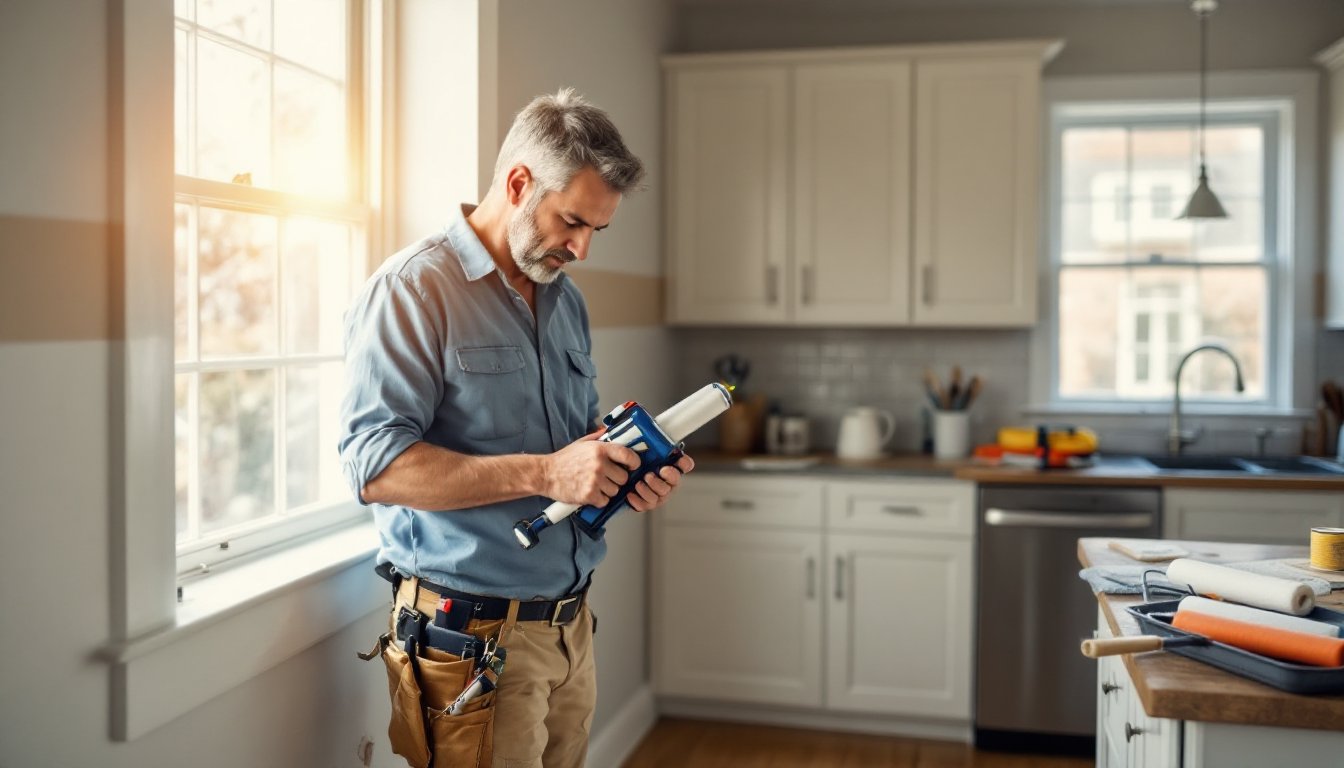
Beyond cost, you avoid the learning curve. Yes, YouTube has answers, but watching a video about caulking baseboards and doing it right under time pressure with your own materials are different beasts. A handyman already owns specialized tools, a power drill, stud finder, pneumatic nailer, caulk gun, and more, so you’re not buying equipment for one job.
More importantly, small repairs done right prevent bigger problems. A loose handrail, a gap in exterior caulk, or missed weatherstripping seems minor until it becomes a safety issue or leads to water infiltration. Handymen spot these problems fast because they’ve seen them before.
Common Home Repairs Perfect for Handyman Services
Handymen excel at the work that sits between “I can do this with a screwdriver” and “I need a licensed specialist.” Interior painting prep and painting (walls, trim, doors, cabinetry) tops the list, it’s labor-intensive, detail-oriented, and worth outsourcing if your time is limited. Drywall repairs, from small holes to larger patches requiring sanding and finish coats, fall squarely in their wheelhouse.
Carpentry work is bread-and-butter stuff: door installation or adjustment, replacing damaged door frames, building shelving, deck maintenance, fence repairs, and trim work. Installing cabinet hardware, fixing squeaky doors, and hanging mirrors or artwork all count. Many handymen also handle basic exterior work, caulking seams, applying weatherstripping, replacing damaged siding sections, and gutter cleaning or minor repairs.
Small plumbing jobs like fixing a running toilet, replacing a faucet aerator, unclogging drains, or installing a new showerhead often fall within their scope (though anything requiring wall access or new supply line runs typically needs a licensed plumber). Light fixture installation, outlet cover plate replacement, and other non-structural electrical cosmetics are fair game, but any work involving the panel, new circuits, or structural concerns requires a licensed electrician.
What they typically don’t do: trenching utilities, major structural work, HVAC service, roofing (beyond minor flashing repairs), or anything requiring permits or licensed trades. Knowing this boundary saves frustration and prevents illegal or unsafe work.
How to Find Trustworthy and Cost-Effective Handymen
Start with referrals from friends, neighbors, or your real estate agent, personal recommendations carry weight because someone has already stood in your shoes. Online review platforms like Angi and HomeAdvisor let you filter by service type, read detailed reviews, and see how handymen respond to complaints.
Screening candidates is critical. A handyman charging suspiciously low rates may cut corners on materials, skip prep work, or rush the job. Conversely, the priciest option isn’t always the best. Get three estimates for the same scope of work. If one bid is half the others, ask why. Is it a different approach, cheaper materials, or overconfidence?
Check for licensing where required by your state or locality. Some regions require handymen to be licensed and bonded: others don’t. Either way, verify insurance, general liability and workers’ compensation. If someone gets hurt on your property and they’re uninsured, you’re liable. Request proof before work begins.
A solid handyman shows up with a written estimate detailing the scope, materials, timeline, and cost. Verbal agreements are handshake deals that invite misunderstandings. They also ask good questions: “What color trim do you want?”, “Have you noticed any water damage nearby?”, “When was this last painted?” This signals they’ve thought through the job.
Vetting Credentials and Experience
Ask how long they’ve been in business and for references from recent jobs. Call at least two. A few sentences on the phone tell you whether the homeowner was satisfied, whether the handyman showed up on time, and whether they left the space clean.
Membership in organizations like the National Association of Home Builders (NAHB) or local builder associations isn’t required but suggests they stay current with standards. Some handymen are trained through apprenticeships or trade schools: others are self-taught. Neither disqualifies them, but experience matters. Someone with five years under their belt has solved problems you haven’t imagined yet.
Before hiring, discuss their process: Will they provide daily updates? How do they handle unexpected issues, like discovering rotted framing behind drywall? Can they adjust the timeline if complications arise? Clear communication prevents surprises and bill shock.
Money-Saving Tips When Hiring a Handyman
Batch your projects. Instead of calling a handyman for one task, list everything you’ve noticed, the loose cabinet hinge, the caulk gap around the window, the squeaky door, the missing outlet cover, and schedule one visit. Bundling work minimizes travel time and keeps hourly costs down.
Do the prep yourself. If you’re having walls painted, wash them and move furniture beforehand. If trim is being replaced, clear the space. Every hour your handyman spends on prep is an hour not spent on the actual work. This alone can shave 15–25% off the bill.
Buy materials yourself if it makes sense. Many handymen charge material markup (typically 20–30%), but if you source paint, wood, hardware, or fixtures, you control the cost and quality. Discuss this upfront, some prefer to source materials themselves to guarantee compatibility and warranty coverage.
Schedule during slower seasons. Winter months (November through February, depending on your region) are often slower for handymen, so rates may be more negotiable. Summer and spring are peak seasons: expect higher prices and longer wait times.
Use platforms like ImproveNet to gather cost guides and compare regional rates before negotiating. Know your market so you’re not lowballed or overcharged. Websites discussing upfront home services emphasize transparent pricing, which saves money by eliminating surprise charges.
What to Expect During Your Service Call
A professional handyman arrives on time or calls with an ETA. They should wear appropriate clothing and footwear for the job and respect your home, removing shoes if needed, using drop cloths, and cleaning up daily.
The first 10–15 minutes involve walkthrough and clarification. They’ll ask specific questions, take measurements, identify any hidden issues, and confirm the scope with you before touching anything. If the estimate said “paint two bedroom walls” but they notice water damage or previous poor caulking work, they’ll flag it and discuss whether it’s in scope.
During work, expect noise, dust, or temporary inconvenience depending on the task. They may ask to move items, want access to electrical outlets, or need natural light. Communicate your preferences upfront, “Please don’t run power tools after 3 PM” or “I’d rather you not use my kitchen sink.” Reasonable handymen accommodate this.
End-of-day walkthrough is standard. They’ll show you the work, point out what’s done, explain next steps if it’s a multi-day job, and discuss any discoveries that affected the scope. Questions or touch-ups should be addressed on the spot.
Payment terms vary. Some invoice after completion: others request 50% upfront and balance upon finishing. Never pay the full amount before the work is done. Inspect everything, trim lines, paint coverage, caulk beads, fastener placement, before signing off. Small corrections now beat complaints later.
Conclusion
Affordable handyman services aren’t a shortcut or a compromise, they’re a practical solution for homeowners who value their time and their budget. By understanding what handymen do best, vetting candidates carefully, and bundling work strategically, you’ll find a partner who keeps your home in good shape without the cost of specialized contractors. Start with referrals, check reviews and insurance, and get written estimates. Your handy neighbor is out there: it just takes a little assignments to find them.