
Table of Contents
ToggleA gazebo is more than just a shelter from the sun and rain, it’s an outdoor room waiting to become your favorite spot on the property. Whether you’re hosting weekend gatherings or claiming a quiet corner for morning coffee, the right <a href="https://kingdomofsimplicity.com/above-ground-pool-decorating-ideas/”>decorating touches turn a bare structure into an inviting retreat. This guide walks you through practical backyard gazebo decorating ideas that balance aesthetics with function, from lighting and textiles to plants and seasonal themes. You’ll find solutions that work whether you’re working with a budget-friendly approach or ready to invest in premium finishes. Let’s transform that gazebo into a space you’ll actually want to spend time in.
Key Takeaways
- String lights and LED bistro options are the most cost-effective and energy-efficient backyard gazebo decorating choice, consuming 80% less power than incandescent bulbs and lasting 15,000–25,000 hours.
- Outdoor-rated textiles like UV-resistant cushions, weatherproof rugs, and curtain drapes transform a bare structure into a comfortable living space while maintaining durability in wet conditions.
- Container gardens with hanging baskets and potted herbs add color, fragrance, and natural appeal without requiring in-ground maintenance or permanent planting.
- Structural enhancements like lattice panels, fabric draping, or privacy screens allow you to define walls and control sun exposure without permanent construction.
- Seasonal decorating swaps—rotating cushion colors, plants, and lighting warmth—keep your gazebo feeling intentional and fresh throughout the year with minimal effort.
Lighting Solutions That Set the Perfect Ambiance
String Lights and Café Bistro Options
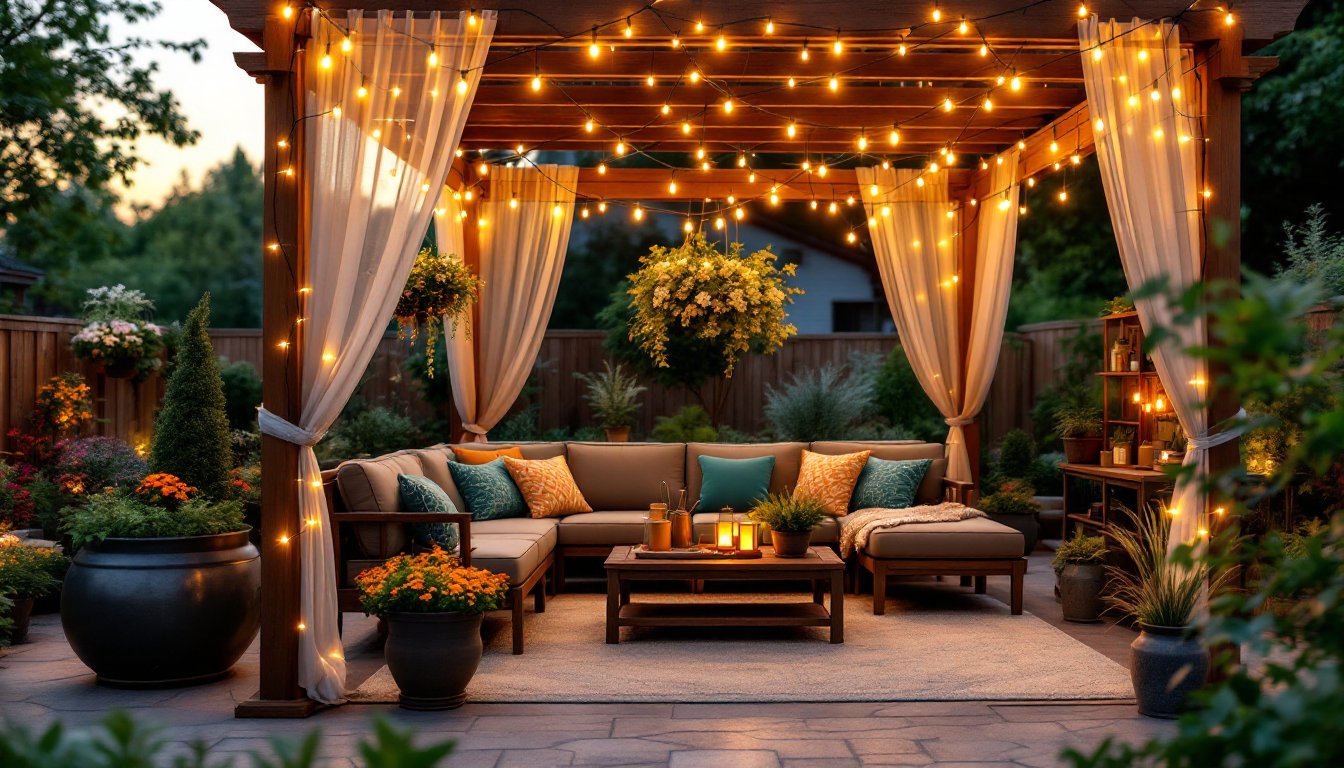
String lights are the workhorse of gazebo lighting. Warm white LED bistro strings (typically 50–100 feet long with 20–50 sockets spaced 12 inches apart) create that inviting café vibe without the high heat output of incandescent bulbs. Drape them overhead in a crisscross pattern or loop them along the perimeter, securing them with adjustable hooks or cable clips rated for outdoor use, this avoids drilling into the gazebo frame and keeps installation reversible.
For durability, choose commercial-grade weatherproof strings with connectors rated IP65 or higher (water and dust resistant). LED strings consume about 80% less energy than incandescent, run cooler, and last 15,000–25,000 hours. A typical 50-foot string draws only 5–10 watts and costs $25–$60, making them budget-friendly for most budgets. If you plan to run them daily, ensure your outdoor outlet has a ground fault circuit interrupter (GFCI) to prevent electrical hazards.
Solar and Lantern Alternatives
Solar-powered options eliminate extension cord hassles and ongoing electricity costs. Solar string lights (typically 30–100 LED sockets per string) charge during the day and run 6–10 hours on a full charge. They’re cheaper upfront ($20–$50), but performance dips on cloudy days and they’re less bright than plug-in versions. Newer hybrid models accept both solar and plug-in power, giving you flexibility.
Lantern-style solar lights, standalone pieces you hang or place on surfaces, work well paired with bistro strings. They add a decorative element beyond pure illumination. For a more controlled look, battery-powered LED candles in glass or plastic holders deliver safety without real flame risk, especially valuable if you have kids or pets nearby.
A practical mix: use plug-in bistro strings as your primary light source (reliability and brightness), then layer in solar lanterns or candles for accent and ambiance. This approach from resources on pergola design balances energy use with visual appeal.
Textiles and Soft Furnishings for Comfort and Style
Textiles transform a bare structure into a comfortable living space. Outdoor cushions and pillows rated UV-resistant and water-repellent (typically made from solution-dyed polyester or sunbrella fabric) retain color and resist mildew far better than untreated cotton. For a 10×10-foot gazebo, plan on 2–4 lounge chairs or benches, plus coordinating throw pillows and a weatherproof rug.
When sizing furnishings, account for circulation, don’t cram the space. Leave at least 2–3 feet of walkway. Outdoor rugs (polypropylene, jute, or wool blends designed for wet environments) define the seating area and add warmth underfoot. A 5×8-foot rug runs $50–$200 depending on material: position it under furniture legs for stability on composite decking.
Curtains and shade drapes add privacy and reduce glare without blocking airflow like solid walls. Hang them from a rod system rated for outdoor use (aluminum or stainless steel, not bare iron). Sheer outdoor curtain panels filter sunlight while maintaining visibility: denser fabrics block more heat and UV. Install them on adjustable tracks or simple rod brackets so you can slide them open or closed as needed.
For a gazebo doubling as a retreat space, layer in a soft throw blanket (outdoor fabric) on seating for cooler evenings. This approach aligns with broader patio decorating ideas that prioritize both comfort and visual cohesion.
Plant-Based Décor and Natural Elements
Living plants add color, fragrance, and movement to your gazebo without looking overdone. Container gardens are easier to manage than in-ground beds and let you swap plantings seasonally. Place large planters, 18 inches or taller, in weighted materials like resin or composite, at entry points or corners to frame the space. In temperate zones, consider shrubs like boxwood or ornamental grasses: in warm climates, bougainvillea or clematis climb readily if you add a simple trellis or obelisk support structure.
Hanging baskets of trailing flowers (petunias, fuchsias, or sweet potato vines) draw the eye upward and soften hard lines. Mount them from the roof beams using stainless steel or powder-coated hooks rated for the weight when wet (a basket and soil can weigh 10–20 pounds). Group odd numbers of baskets (3 or 5) rather than pairs for a more natural feel.
Herb gardens in small pots (basil, rosemary, mint) offer practical beauty and fragrance. Place them on shelving or a potting table near seating so guests can brush foliage as they pass. Deadhead spent flowers weekly and fertilize container plants every 2–3 weeks during growing season, container soils drain fast and need frequent feeding.
For a rustic touch, add woven plant stands, reclaimed wood shelving, or vintage-style watering cans as décor objects. These nods to the natural world reinforce the outdoor feel without requiring plants to maintain. This aligns with design principles found in garden decor inspiration guides that honor both planted and sculptural elements.
Walls, Draping, and Structural Enhancements
If your gazebo has open sides, you can add defined walls or partial screening without permanent construction. Outdoor privacy screens (metal, vinyl-coated fabric, or slatted wood) attach to the frame with L-brackets or wall anchors and block wind, sun, and sightlines while keeping a light feel. A 6-foot-tall screen panel runs $30–$100: two or three create a buffer without fully enclosing the space.
Fabric draping (lightweight outdoor canvas or sailcloth) creates a softer alternative. Hang fabric between posts using cables, ropes, or tension wires clipped to the structure. This approach works especially well for temporary installations, party season, specific holidays, or as an accent on one or two sides. Ensure fabric is rated for outdoor UV exposure to prevent rotting and fading.
For a permanent upgrade, install lattice panels to the upper half of open sides. This lets light and air flow through while diffusing harsh sun and giving climbing vines or ivy a trellis to climb. Lattice kits (4×8 feet) cost $30–$60 in pressure-treated wood or vinyl: expect 4–6 hours of labor to cut, fit, and secure them if you’re handy. Vinyl lasts longer and requires no staining, but wood offers that traditional look.
If the gazebo roof is solid but sides are fully open, consider a partial roof extension or shade sail. A shade sail (triangular or rectangular tensioned fabric) mounted from existing posts or a new beam spreads UV load and cools the space 5–15 degrees. Professional installation runs $500–$2000 depending on size and attachment points, but DIY kits exist for simpler setups.
Seasonal and Themed Decorating Approaches
Your gazebo can shift personality with the seasons or align with specific themes. Summer setups lean into bright, bold textiles, coral or turquoise cushions, white bistro strings, and potted tropical-looking plants (hibiscus, bougainvillea, or fern arrangements). Hang lightweight sheer curtains and add a misting system if your region gets hot.
For fall, swap cushions to rust, burnt orange, and deep gold: introduce lanterns with battery candles and dried-flower arrangements. Mums in large containers cluster in groups of three for visual impact. String warm white lights (versus cool daylight LEDs) and add a weatherproof outdoor heater if your zone cools significantly, a tabletop propane heater or stand-up patio heater extends the season by weeks.
Holiday decorating (whether Christmas, Thanksgiving, or other celebrations) works best with restraint outdoors. A few garland strands, white or colored lights, and tasteful ornaments avoid visual clutter. Ensure all decorations are outdoor-rated and secured against wind, adhesive hooks fail: use stainless cable or wire fasteners instead. This ties into broader seasonal decorating frameworks applied to various outdoor spaces.
For themed entertaining (garden party, bohemian retreat, modern minimalist), commit the textiles, lighting, and plant choices to that aesthetic. Mix and match ideas from interior design resources and regional design inspiration to personalize the look. Swap out seasonal elements every few months so the space feels intentional, not static. Keep a simple checklist of what works so next year’s refresh takes minutes, not hours of guesswork.


